
Emotional stability is something every person needs, no matter their age or background. It helps you think clearly, respond with calm, and stay steady when life feels heavy. In simple words, emotional stability means you can handle your feelings without losing control.
Life brings stress, surprises, pressure, and problems. These things happen to everyone. But a stable mind helps you face them without breaking down. When your emotions stay balanced, your relationships improve, your work becomes easier, and your health feels lighter.
This blog explains what emotional stability is, why it matters, how it works, and how you can build it step by step. Everything is written in simple language so you can understand and apply it in your daily life.
What Is Emotional Stability?
Emotional stability means you can manage your feelings in a healthy way. You do not react too fast. You take a moment to think. Furthermore, you stay calm even when you feel stress or disappointment.
A person with emotional stability knows:
- how to control their reactions
- how to keep their mind clear
- how to stay strong in stressful moments
- how to respond instead of reacting
Emotional Stability Matters
A steady emotional state helps you stay strong in daily life. It affects your mind, body, relationships, and work. When you understand your feelings better, you make smarter choices.
Here’s why emotional stability is important:
1. Better decision-making
When you stay calm, you can think clearly. You understand the situation better and choose wise actions.
2. Healthy relationships
Emotional stability helps you communicate with kindness. You do not say hurtful things in anger. You listen more and understand others better.
3. Less stress
A stable emotional state keeps your body relaxed. This reduces headaches, tiredness, and mental tension.
4. More confidence
When you control your emotions, you feel stronger. You trust yourself and do not panic easily.
5. Balanced mood
You avoid sudden mood swings. Your mind stays steady and peaceful.
Signs of an Emotionally Stable Person
You may already have some of these signs without noticing. Here are the common signs:
- You stay calm in stressful moments
- You pause before reacting
- You set healthy boundaries
- You know what triggers your emotions
- You avoid drama and unnecessary conflict
- You express your feelings with respect
- You make thoughtful choices
- You stay positive even in tough situation
What Causes Emotional Instability?
Some situations can disturb your emotional balance:
- lack of sleep
- unhealthy routine
- stress at home or work
- family problems
- financial pressure
- negative thinking
- poor diet
- weak self-awareness
- unresolved past pain
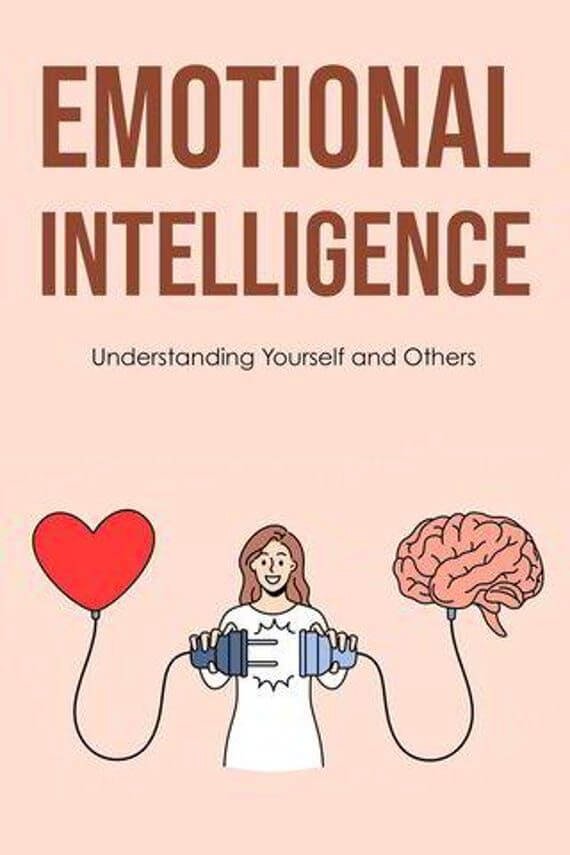
How to Build Emotional Stability: Simple Daily Practices
Here are easy, practical steps that can help you develop emotional stability.
1. Practice Self-Awareness
Self-awareness means knowing how you feel and why you feel it. When you understand your triggers, you can control them.
Try this:
- Notice your feelings each morning
- Identify what upsets you
- Write down your thoughts for clarity
Self-awareness is the first step toward emotional strength.
2. Respond, Don’t React
A reaction is fast and uncontrolled.
A response is calm and thoughtful.
Take a small pause before you speak or act. Even 5 seconds can change everything.
Ask yourself:
- “Is this worth my energy?”
- “Can I reply with calm instead of anger
- 3. Set Healthy Boundaries
Boundaries help you keep your emotional space safe. They protect your energy and prevent unnecessary stress.
Examples of boundaries:
- Saying “I need a break” when tired
- Avoiding negative conversations
- Saying “no” when you cannot handle more
Boundaries are not rude. They are respectful for both sides.
4. Develop Emotional Control Skills
You can train your mind just like you train your body.
Try these emotional control methods:
- slow breathing
- grounding techniques
- counting 1–10 before you respond
- noticing physical signs of stress (fast heartbeat, tight chest)
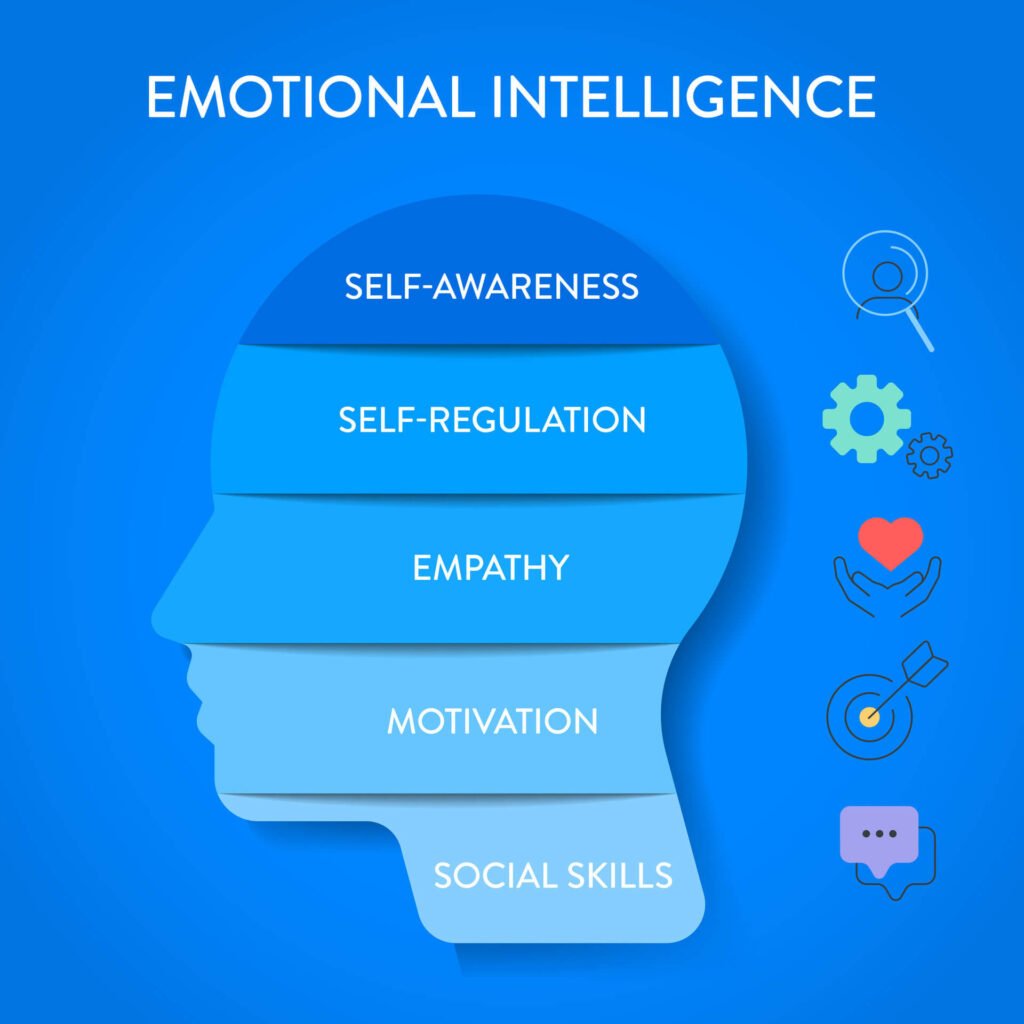
Daily Practices for Emotional Stability (Quick List)
Use this list for easy daily reference:
- pause before reacting
- deep breathing
- healthy boundaries
- balanced routine
- positive thinking
- light exercise
- stress control skills
- mindful moments
- journaling
- healthy communication
Benefits of Emotional Stability
When you build emotional stability, your life becomes smoother and more peaceful.
You will notice:
- calmer reactions
- fewer arguments
- better mood
- stronger confidence
- healthier body
- steady relationships
- clearer thinking
- less stress
Emotional stability brings comfort to your mind and strength to your personality.
Final Thought
Emotional stability is not about being perfect. It is about understanding your feelings and guiding them with calm. When you give yourself time, care, and patience, your mind becomes stronger day by day. Small steps create steady change, and with a balanced heart, every part of life feels easier and lighter.
Frequently Asked Questions (FAQs)
1. What is emotional stability in simple words?
It means staying calm and handling your feelings in a healthy way.
2. Can emotional stability be learned?
Yes. It is a skill you can learn with practice.
3. How can I control my emotions?
Pause before reacting, breathe slowly, understand your triggers, and use positive self-talk.
4. What makes a person emotionally strong?
Self-awareness, patience, calm communication, and healthy habits.
5. How do I stop overreacting?
Take a short pause, think before speaking, and focus on solutions instead of problems.
Such a calming and helpful read! 🌿 I love how simply you explained emotional stability and how small daily habits can make life so much lighter. Truly a beautiful reminder to take care of our mind every day.
Thank you so much for saying that! I’m really glad the message landed gently for you. It’s amazing how much those small daily check-ins can shift our whole inner world. Sending you lots of calm and clarity on your journey!”
Thank you for sharing such an important and insightful guide. It is genuinely helping me shift my mindset and understand myself on a deeper level.
I truly believe that emotional intelligence is one of the most valuable skills in life, for example, when we learn to identify our emotions instead of reacting instantly, even difficult situations become easier to handle.
This guide is not just helpful; it’s transformative.
Thankyou so much for showing such a great response and show love .
This is a very helpful guide to maintaining emotional balance — it’s a great reminder that small, regular habits can make a big difference in daily life. I’ve found that simple routines, like planning my day and knowing what to expect, really help steady my mind. For example, checking things like updated drink menus and prices before heading out can remove little stressors from the day. If others like routine planning too, this page might help: https://7brewcoffemenu.com/
I really appreciate this guide on emotional stability. Staying mindful and organized really does improve daily life. Even small steps, like planning ahead or checking resources in advance, can reduce stress. For coffee lovers, I use sites like https://7brewcoffemenu.com/
to plan my visits and avoid surprises, which keeps my day running smoother.
Alright, gotta give it up for 8kubet. Was a little skeptical at first, but they’ve got some solid stuff going on. Game variety is decent, and it’s runnin’ pretty smooth for me. Worth a try, y’know?